Teacher Png, Retro Teacher Png: A Designer’s Embroidery Review
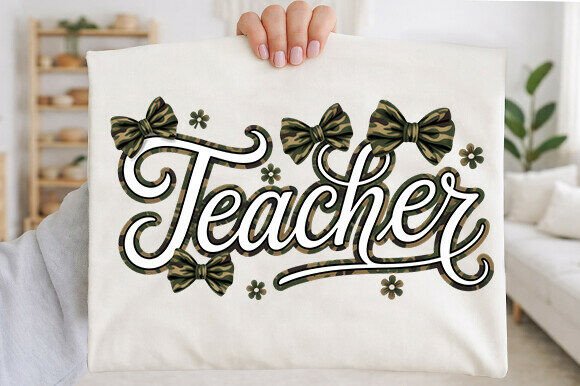
When a graphic lands on my desk for a real embroidery evaluation, I don’t just look at it—I imagine how it behaves under a needle, against different fabrics, and inside a buyer’s hands. Teacher Png, Retro Teacher Png isn’t a ready-to-stitch file. It’s a high-quality 300 DPI PNG illustration, and that distinction matters. As an embroidery designer, I see this graphic as a creative springboard. It has a distinct personality, a nostalgic teacher vibe, and a retro charm that immediately sparks ideas for personalized gifts, craft business products, and thoughtful handmade pieces. But how does it actually perform when you move from screen to stitch? Let’s walk through the real-life considerations, from digitizing to final product, so you can decide if this design belongs in your next embroidery project.
First Impressions and the Retro Teacher Mood
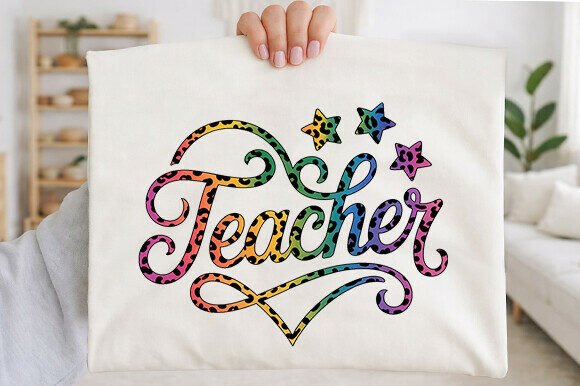
The moment I opened Teacher Png, Retro Teacher Png, I felt a warm, familiar pull. The retro styling—think classic teacher motifs, maybe spectacles, an apple, or a chalkboard—gives it a timeless sweetness. It’s not a hyper-modern, trendy graphic. It’s the kind of illustration that would look equally at home on a vintage-inspired tote bag or a cozy sweatshirt made for a retiring educator. The 300 DPI resolution is a real plus. It means the lines are crisp and the shapes are clean, which is exactly what you need when you’re about to turn a flat PNG into a stitch file. The mood is playful yet respectful, making it ideal for Teacher Appreciation Week, back-to-school gifts, or even a small thank-you patch on a classroom apron.
From a designer’s perspective, the composition feels balanced. It’s not overly cluttered with tiny details that would turn into a thread mess. The retro aesthetic also leans into slightly thicker outlines, which naturally translate to smooth satin stitches in a digitized design. If you’re building a handmade product line that celebrates educators, this graphic immediately sets a warm, trustworthy tone. It’s an instant customer trust builder because the style feels genuine and heartfelt, not mass-produced.
How This PNG Slides into a Real Embroidery Workflow
Here’s the scene I built in my mind: I’m preparing a custom embroidered tote bag for a beloved teacher who is retiring after 30 years. The client wants something personal, not just a generic “Best Teacher” design. I pull up Teacher Png, Retro Teacher Png and start the digitizing process. Because it’s a PNG only—no SVG—I’m working with a raster image. But at 300 DPI, I can enlarge it to a reasonable embroidery size without losing the essential character. I’ll import it into my software, set the dimensions to about 4 inches wide, and begin mapping out stitch types.
The retro lettering, if any, needs special attention. I’ll convert those shapes into clean satin paths, adjusting stitch density to avoid puckering on the canvas tote. The teacher figure itself might combine a fill stitch for the body and a satin stitch for the outline, giving it a polished, almost applique-like finish. The color palette I’d choose would lean into muted mustard, teal, and brick red—thread colors that echo the retro vibe and contrast beautifully on a natural cotton bag. This is where the Illustrations category shines: the graphic provides a clear visual blueprint, so even a moderately experienced digitizer can produce a embroidery file that captures the original charm.
One thing I always do is test the design on scrap fabric first. A simple cotton square shows me how the stitches settle, whether the details read clearly, and if I need to adjust pull compensation. The retro teacher motif, with its likely bold shapes, should hold up nicely—but I’d still check those tiny elements like glasses or book pages. If the file had extremely fine lines, I’d simplify them into a running stitch to keep the embroidery crisp rather than muddy.
Embroidery Project Ideas That Let This Design Shine
This graphic isn’t a one-project wonder. Its nostalgic teacher theme opens doors to a whole range of products that small shop owners and crafters can sell or gift. Here are the projects where Teacher Png, Retro Teacher Png would feel completely at home:
- Custom tote bags – A sturdy canvas tote with this retro design becomes a daily reminder for an educator.
- Sweatshirt embroidery – Placed on the chest or a sleeve, the design adds a cozy, vintage feel to a back-to-school wardrobe.
- Kitchen tea towels – Perfect for a teacher’s lounge or a home economics instructor’s gift.
- Embroidered patches – Digitized as a small patch, it can be ironed onto jackets, bags, or lanyards.
- Pillow covers – A classroom reading nook decorated with a handmade teacher pillow feels personal and inviting.
- Aprons – A practical gift for a teacher who loves to bake or does science experiments.
- Baby onesies – For a newborn of a teacher, a tiny “teacher’s kid” outfit becomes an adorable baby embroidery piece.
- Holiday ornaments – Digitized onto felt or fabric, it makes a charming tree decoration for a teacher’s home.
For Etsy sellers and craft fair vendors, Teacher Png, Retro Teacher Png offers a clear niche appeal. The retro style stands out in a sea of generic teacher clipart, and the finished product feels like a boutique item rather than a quick print-on-demand. When you present it on a printable mockup or a physical product listing, the graphic’s quality translates into perceived value, which can boost buyer engagement and trust.
Fabric, Hoop, and Stabilizer Smarts
Now, let’s talk about the practical side of stitching this out. Even a beautiful graphic can become a headache if you ignore the fundamentals. Because Teacher Png, Retro Teacher Png is a raster image, you’ll need to decide on your final embroidery size before digitizing. I’d recommend staying within a 4x4 inch or 5x7 inch hoop. Smaller than that, and the retro teacher details might blur into a fuzzy mess. Larger is possible, but you’ll need to check the image quality at that scale—300 DPI gives you some wiggle room, but don’t push it to 10 inches without expecting a bit of softness.
Fabric texture matters a lot. This design would look crisp on a smooth cotton tote, but on a thick, nubby fleece sweatshirt, you’ll lose some of the finer lines. I’d use a medium-weight cutaway stabilizer for stretchy garments like t-shirts, and a tear-away for stable woven bags. Dark fabric can be tricky because the retro color palette often relies on mid-tone and light hues. If you’re stitching on black canvas, consider a white or light thread outline to make the design pop, or adjust the digitized file to include a background fill stitch that acts as a contrast anchor. Always test a black-and-white mockup to see if the design still reads well without relying on color alone.
Curved surfaces like caps or the center of a tightly cinched backpack are not ideal for this design. The retro teacher motif likely has a rectangular or rounded composition, and wrapping it around a cap’s seam can distort the face and lettering. Stick to flat or gently curved areas for the best presentation. And if you’re working with layered garments like a baseball jacket, be mindful of the seam bulk under the hoop—press it flat and use a topper to keep stitches from sinking.
The Stitch-Out Test: What I’d Watch Closely
I always approach a new graphic with a mental checklist of potential stitch issues. For Teacher Png, Retro Teacher Png, here’s what I’d zero in on during a test run:
- Thread color contrast – The retro palette often has soft, muted tones. On a similarly muted fabric, the design can wash out. I’d test a few thread swatches to find the sweet spot where the teacher’s face, glasses, and any text remain clearly defined.
- Density in small areas – If the PNG includes tiny apples, pencils, or chalk dust, those areas can become dense bulletproof patches if you’re not careful. I’d dial down stitch density there, maybe using a light fill or even an open running stitch to keep the fabric soft.
- Lettering legibility – Retro text often has quirky serifs. I’d digitize any lettering at a minimum of 0.25 inches tall to ensure the satin stitches don’t close up the counters. If the graphic has very small text, I’d either enlarge it or replace it with a similar font in the digitizing software.
- Applique potential – Some retro designs look incredible as an applique. I’d consider converting the teacher’s body or a large book shape into a fabric applique with a satin stitch border, reducing stitch count and adding a tactile dimension.
Testing on scrap fabric first isn’t optional—it’s the only way to see how the digitized version of this PNG behaves. I’d stitch one on a smooth cotton, one on a textured knit, and one on a dark denim, comparing the results. That small investment of time saves you from ruining a premium blank or disappointing a customer.
Commercial Use and Licensing: What You Need to Know
Here’s the part that trips up many craft business owners. Teacher Png, Retro Teacher Png comes as a PNG only, without SVG files. The product description states it’s a digital download, DPI 300, and it’s intended as a printable or design asset. But what about using it on products you sell? The listing doesn’t spell out the commercial license terms. As a designer, I must flag this: you cannot assume you can turn this graphic into a digitized embroidery file and sell the final embroidered items without permission. I always recommend reaching out to the seller directly to confirm whether the license covers finished products for sale, especially for Etsy sellers, small shop products, and commercial embroidery projects. If you’re only making a single personalized gift for a friend, that’s typically safe, but once money changes hands, you need clarity.
Additionally, because it’s a PNG, you can use it for printable mockups to showcase your embroidery digitizing services, or as a design asset in a product preview. That’s a clever way to leverage the graphic without violating any potential restrictions. Just don’t resell the file itself as a digital embroidery file, because that’s clearly not the intended use. As a Graphics type product, it’s meant to be a visual resource, not a ready-to-stitch machine embroidery design. Respect that boundary and your business stays clean.
Who Should Grab This Graphic and Who Should Wait
If you’re an embroidery designer comfortable with digitizing, or a crafter willing to learn how to convert a clean PNG into a stitch file, Teacher Png, Retro Teacher Png is a gem. It gives you a ready-made aesthetic that saves hours of illustration work. For small business owners who sell teacher-themed handmade products, this graphic can become the cornerstone of a cohesive collection. The retro vibe is distinctive enough to set your items apart at a craft fair or in a crowded Etsy search.
However, if you’re looking for a download-and-stitch embroidery file, this isn’t it. There’s no native embroidery file format here, and the lack of SVG means you won’t get easy vector paths for auto-digitizing. You’ll need to put in the digitizing work. Also, if you’re working on extremely small hoop sizes under 4x4 inches, the design may lose too much detail. And if you’re not sure about the licensing, don’t bulk-order blanks until you’ve confirmed you can legally sell the finished product.
I can see this graphic being used beautifully for a teacher’s retirement party. Imagine a set of embroidered cotton napkins with this retro teacher motif, paired with a matching table runner. Or a series of custom apparel pieces for a whole school staff, each with the design stitched in a different thread color to match their personality. The emotional connection is strong, and that’s what sells handmade products.
Final Practical Judgment
After inspecting Teacher Png, Retro Teacher Png from every angle that matters for embroidery, I’m confident it’s a valuable design asset—provided you treat it as a starting point, not a finished stitch file. The 300 DPI quality is excellent, the retro teacher mood is marketable, and the digitizing possibilities are broad. I’d use it for a tote bag design in a heartbeat, and I’d recommend it to any craft business owner who wants to add a touch of nostalgia to their product line. Just remember: test your stitch-out, check your thread colors, use the right stabilizer, and always, always confirm the license before offering it as a commercial embroidery product. When you respect the design and the process, a simple PNG can become a handmade product that tells a story and wins hearts.