From PNG to Perfect Embroidery: A Designer’s Take on Teacher Leopard
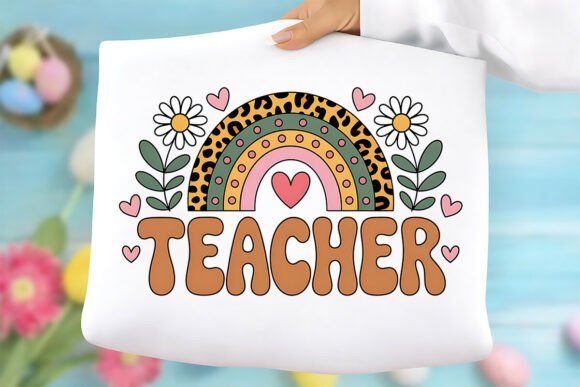
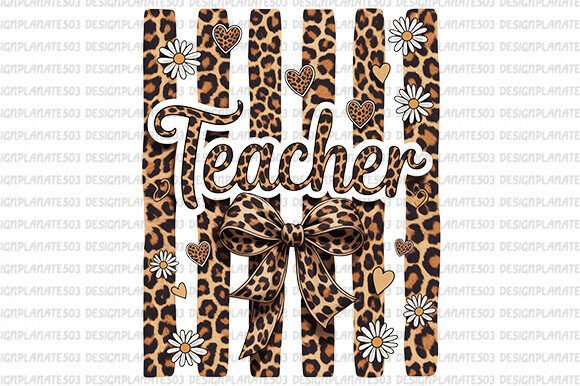
As an embroidery designer who evaluates files for real-world stitching, my first question is always: will this design translate well from screen to thread? Let’s put Teacher Leopard Png through that lens. The initial impression is one of playful, confident personality. It’s a graphic with a clear theme—a leopard peeking from a book stack or apple—and its bold, simple shapes immediately signal that this isn’t a fussy, overly detailed illustration. It feels ready to become a focal point.
The Mood It Creates and Where It Belongs
The visual personality here is cheerful and slightly mischievous. It doesn’t shout “serious academic” but rather “fun-loving educator.” That mood is perfect for projects meant to feel personal and lighthearted. I instinctively picture this on a teacher’s lounge sweatshirt, a custom tote bag for carrying classroom supplies, or a well-loved apron for a crafty teacher. It has that gift-quality vibe. For a crafter or small shop owner, this design could easily become a staple for teacher appreciation gifts, back-to-school merchandise, or personalized items for educator clients.
Thinking Through a Real Project: The Embroidered Tote Bag
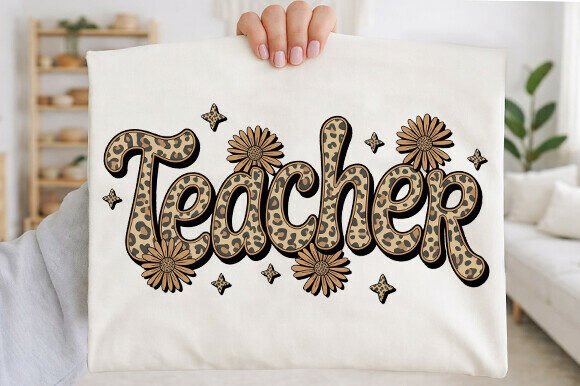
Imagine you’re preparing a custom tote bag for a teacher client. You pull up Teacher Leopard Png on your screen. The clean outlines and distinct elements mean your machine won’t struggle with ambiguous edges. The likely use of satin stitches for the lettering and fill stitches for the larger shapes promises good coverage. But the real test is on fabric. On a sturdy canvas tote, this design would pop with clarity. The separation between the leopard and the book elements is clear, avoiding potential stitch muddling. It feels like a design that would stitch out cleanly, resulting in a professional-looking finished product that builds customer trust.
Performance Across Real-Life Embroidery Situations
For apparel decorators and handmade shop owners, versatility matters. Let’s walk through some scenarios.
Custom apparel like sweatshirts and t-shirts: On a cotton sweatshirt, the design’s boldness would hold up well. The potentially dense areas, like the leopard’s head, need attention to stitch density to avoid a stiff feel on stretchy fabric. A good stabilizer is key. On a standard t-shirt, the scale is important—it’s likely a mid-sized design that wouldn’t overwhelm the garment.
Baby clothes and nursery decor: For a baby blanket or a little onesie, the playful theme fits perfectly. However, on softer, thinner fabrics, you’d want to test a scrap first to ensure the stitch buildup doesn’t create a rigid, uncomfortable patch. Simplifying thread colors might enhance its soft appeal.
Patches, caps, and aprons: This graphic has excellent potential for an embroidered patch. Its defined borders make it a natural candidate. On a curved surface like a cap, the layout seems compact enough to adapt without losing key details. For an apron, it’s a charming, personalized accent that adds value to a simple product.
Small business merchandise and digital previews: For an Etsy seller creating holiday gifts or boutique products, this design offers a ready-made, thematic asset. Its clean PNG format at 300 DPI means it can also be used confidently for printable mockups on your listings, showing customers a preview of the embroidered result on a sweatshirt or tote.
Where a Designer Would Use Extra Caution
Confident use comes from knowing the limitations. Here’s where I’d proceed carefully with Teacher Leopard Png.
Very small hoop sizes: If you intend to miniaturize this for a tiny corner on a tea towel or pillow cover, inspect the small details. Any intricate corners or tiny lettering might lose clarity when reduced. Test first.
Textured or dark fabrics: On a heavily textured fabric like some blankets, the clean lines might fragment. On dark fabric, thread color contrast is paramount. You’d need to choose bold, light threads for the leopard and books to maintain visual appeal.
Products needing frequent washing: For items like kitchen towels or often-washed baby clothes, the stitch integrity is crucial. A design with large fill areas needs proper stitching technique to withstand wear. This isn’t a design flaw, but a practical note for the embroiderer.
Layered garments and curved surfaces: While it seems suitable for caps, the placement on a highly curved area requires careful hooping and stabilizer choice to prevent distortion, especially of the lettering.
How This PNG Affects Your Craft Business
Using a design like this isn’t just about stitching; it’s about your product’s story. When stitched well, Teacher Leopard Png enhances visual appeal through its thematic clarity. Customers recognize the theme instantly, which aids engagement. For a creative entrepreneur, it adds to brand consistency if you specialize in educator-themed goods. The handmade presentation feels professional because the design is legible and intentional. Its giftability is high—it feels personal and specific. For commercial embroidery projects, it’s a straightforward, licensable graphic asset (always confirm licensing before selling finished items). It adds value by turning a basic garment into a themed product.
Practical Notes From the Hoop
Before you load this PNG into your software and start stitching for client projects or your craft business, here’s my grounded advice.
- Always test on scrap fabric first. Use the same material and stabilizer as your final project. This reveals how stitch density feels and if small details stitch cleanly.
- Check thread color contrast against your background fabric. Run a mental (or actual) preview on both light and dark backgrounds. The design’s impact depends on this.
- Review the stitch density in your embroidery file conversion. Since this is provided as a PNG only—no SVG—your conversion software’s settings will dictate the stitch buildup. Adjust for delicate fabrics.
- Confirm your intended hoop size can accommodate the design’s scale. Don’t assume; preview it in your machine’s software.
- Inspect the small details after conversion. Look at the corners of the books, the leopard’s features. Ensure they aren’t turning into a blob of stitches.
- Use proper stabilizer. This is non-negotiable for achieving that crisp, professional look on any garment.
- Test the design in black and white mockups. This helps visualize it purely as shape and composition, stripping away color assumptions.
- Check the licensing terms clearly. The product description states it’s a digital download PNG. Always verify the license for commercial use before selling embroidered products or including it in digital product bundles.
Ultimately, Teacher Leopard Png strikes me as a straightforward, thematic graphic with strong potential for a range of embroidery projects. Its success hinges entirely on the embroiderer’s skill and preparation—the file provides a clear blueprint, but the beautiful, durable finished product comes from your thoughtful application. For designers, small business owners, and makers looking for a fun, educator-themed asset, it’s a solid candidate. Just approach it with the practical respect any embroidery design deserves: test, adjust, and stitch with confidence.