A Designer's Review of the Cute Teacher Apples Tumbler Wrap
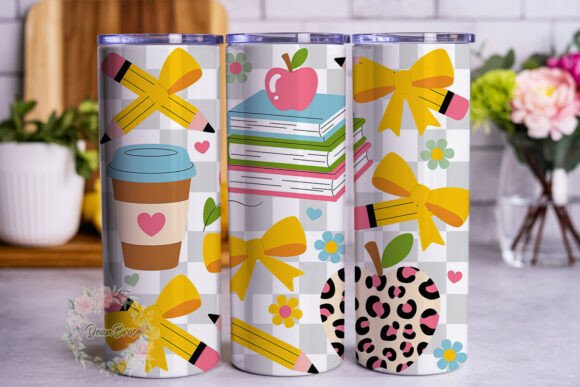
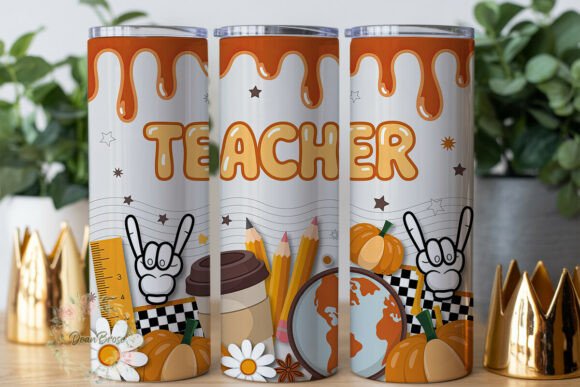
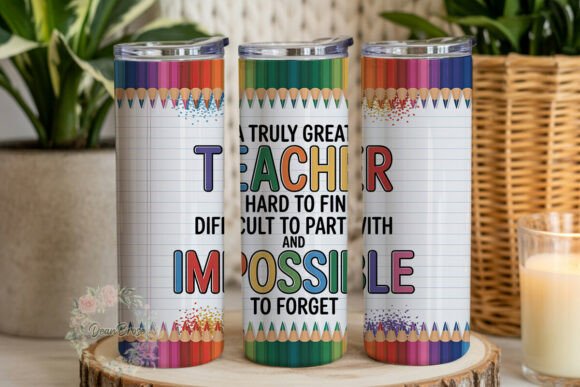
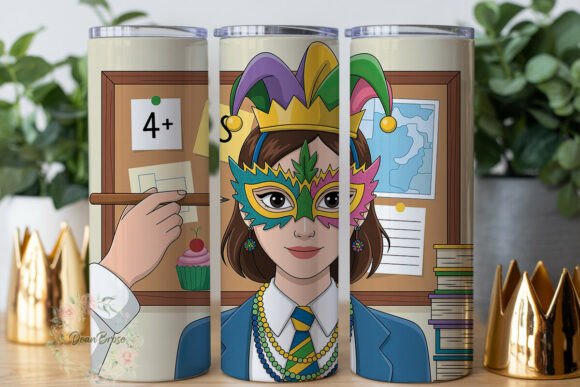
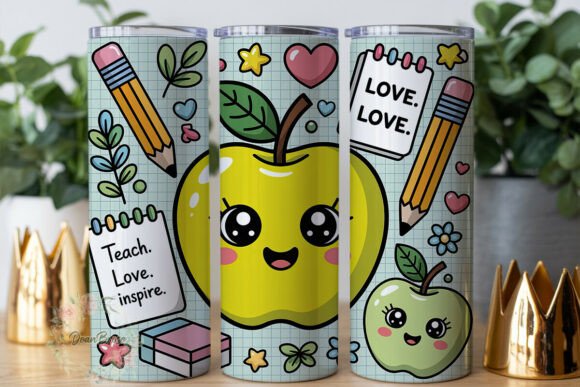
Every embroidery designer knows the feeling of scrolling through a new file, wondering if it will translate well from screen to stitches. Today, I’m taking a close look at the Cute Teacher Apples umbler Wrap graphic. It’s presented as two PNG files, for straight and tapered tumblers, but we’re not just decorating cups—we’re exploring its potential across a whole range of handmade projects.
The First Stitch Impression: Cheerful and Clear
The mood here is instantly upbeat and recognizably "teacher." The layout, with its cluster of smiling apples and clean typography, feels balanced. It’s detailed enough to be charming but not overly dense, which is a crucial first sign for a successful embroidery design. This graphic has a visual personality that leans toward friendly professionalism. It doesn’t scream; it warmly welcomes. My immediate thought was that this wouldn’t just belong on a tumbler—it naturally fits onto a tote bag for a teacher’s classroom supplies, a cozy sweatshirt for a school spirit day, or even a decorative pillow cover in a home office.
A Real Project Scenario: Crafting a Custom Teacher Tote
Picture this: a client orders a personalized gift for their child’s favorite educator. They want a sturdy canvas tote bag. I open this Cute Teacher Apples file on my screen. The high-resolution 300 DPI detail is evident, which means my machine embroidery software can interpret the lines cleanly. The dimensions are generous, suggesting it’s meant to be a focal point. As I mentally map it onto the bag, I consider the stitch-out. The apples, with their simple outlines and smile details, would likely use a combination of satin stitch for the letters and a fill stitch for the apple bodies. The challenge—and the fun—is in translating that digital clarity into thread.
Performance Across Real-Life Embroidery Situations
Let’s walk through where this design shines and where you might need to proceed with a bit more caution.
For custom apparel like t-shirts or sweatshirts, the scale is good. It’s large enough to be a statement on an adult-sized garment without being overwhelming. On a baby onesie or child’s shirt for a teacher’s kid? Possibly a bit large, but the cute theme would still land well. As an embroidered patch, it would be excellent—the defined shapes and positive message make it a perfect standalone badge of appreciation.
Consider home decor items: a kitchen towel for a teacher who loves cooking, a pillow cover, or a small blanket. The design’s warmth increases the giftability of these items significantly. For your craft business or Etsy listings, this graphic provides a strong, recognizable asset. It taps into a clear niche (teacher appreciation) which aids in customer recognition and engagement. Using it in printable mockups to preview products is straightforward given the clean PNG files.
Careful Application Areas for the Best Results
Now, the practical designer notes. The design’s size means it requires a sufficient hoop. You’ll need to check your machine’s capability for the 9.3″ x 8.2″ area. On small hoop sizes, this won’t fit without significant scaling down, which could compromise the detail, especially in the lettering.
Textured or stretchy fabrics like certain knits require extra stabilizer consideration to keep those smooth apple shapes from distorting. On dark fabric, the choice of thread colors becomes paramount—you’d need to ensure the cheerful palette still pops, perhaps opting for slightly brighter shades than the digital preview suggests.
Embroidering on curved surfaces like caps could be tricky with this layout due to its width; the tapered tumbler file might hint at adaptability, but a cap’s curve is different. The corners and small details, like the apple stems and smiles, need a precise machine setup and appropriate stitch density to remain crisp, not gappy or overly thick. For products destined for frequent washing, like aprons or tea towels, securing those details with good stabilizer and quality thread is non-negotiable for longevity.
How This Design Elevates Your Finished Product
Beyond the technical stitch-out, using a design like this affects the perceived value of your work. Its clarity and positive theme enhance stitching clarity on the final product. When a customer sees a well-executed version on a tote or sweatshirt, it builds customer trust in your craftsmanship. It tells a story, which strengthens the handmade presentation and feels more personal than a generic graphic.
For small shop owners, consistently using well-designed assets like this contributes to brand consistency if you specialize in appreciation or educator-themed goods. It’s a design that invites customization—adding a name below "Teacher," for instance—which increases its appeal as a personalized gift and opens doors for higher-value orders.
Essential Designer Notes Before You Hoop the Fabric
Before you commit this to a client’s project, do your due diligence. Test the design on scrap fabric first, ideally a similar material to your final project. This reveals how the stitch density handles and whether any thread color contrast issues arise on your chosen background.
Check your hoop size and machine settings. Inspect the small details in your test run—are the smiles clear? Do the stems look clean? Create both light and dark fabric background mockups, even digitally, to visualize the final appeal. Always use the proper stabilizer for your fabric type; this is not a step to skip with a design of this scale.
Finally, a critical note for commercial embroidery and digital product sellers: the product listing specifies the included files, but it does not explicitly state the license. You must confirm licensing before selling finished items or using the graphic in your own digital products. Clarify whether it’s for personal use, commercial use, or both. This protects your business and respects the designer’s terms.
A Confident Choice for Niche Craft Projects
The Cute Teacher Apples 20oz Tumbler Wrap graphic, in my assessment as a designer who stitches daily, is a robust design asset. Its cheerful mood, balanced layout, and clear detail make it a strong candidate far beyond its named use. It’s suited for projects where you want to convey warmth, appreciation, and a polished handmade look. Approach it with practical preparation—hoop size, fabric choice, stabilizer, and licensing checks—and it will translate into embroidered products that delight both you as the maker and your end customer, whether that customer is a gift buyer, a teacher, or a fan of simple, happy designs.